These Seattle-area clinics plan to take care of people who’ve lost their health insurance
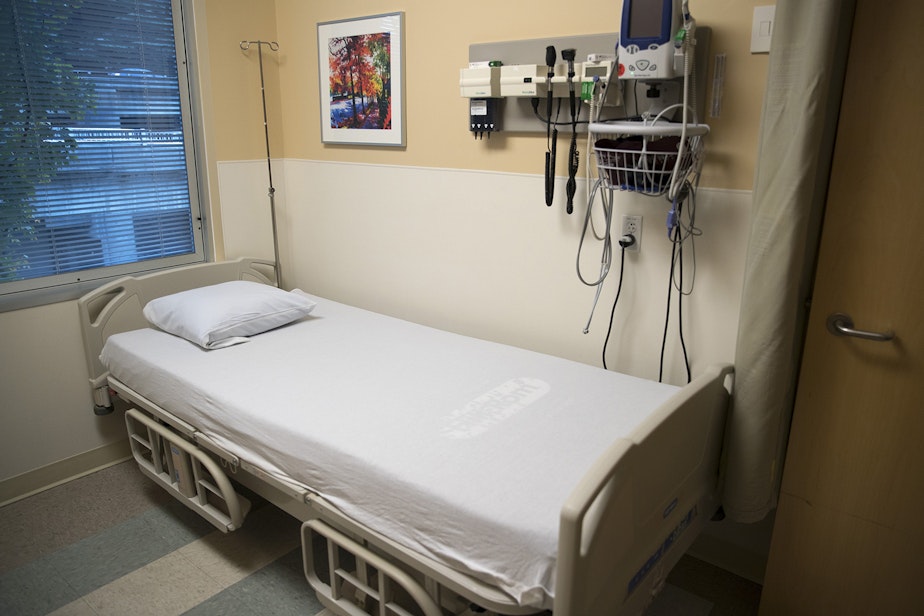

About 380,000 Washington state residents are expected to lose their health insurance because of federal changes to Medicaid and the elimination of federal subsidies for plans bought on the health insurance marketplace commonly known as Obamacare.
That will leave them with extremely limited access to health care.
Community health centers in the Seattle area are bracing for an influx of patients who can’t pay for their care. They expect that many of their patients will lose their coverage because of the changes, and that people who previously had health insurance will also find their way to community clinics for free doctor’s appointments.
“We serve everyone in our community, regardless of their ability to pay or whether they have insurance coverage,” said Lisa Yohalem, CEO of HealthPoint, a network of 20 community health centers, 18 of which are in South King County. “And so, as more people become uninsured in our community, demand for our services will increase.”
HealthPoint is just one network of community health clinics that, in the Seattle area and nationwide, serve low-income and underserved populations, and turn no one away regardless of their insurance status, in exchange for federal grants to help keep the doors open. These clinics generally provide only primary and dental care and have few specialists on staff. Other examples in the Seattle area include NeighborCare and SeaMar.
Sponsored
About three quarters of HealthPoint’s patients are on Medicaid, Yohalem said, and many of them are expected to lose those benefits. Some are in the categories of legally authorized immigrants who will no longer be eligible. And some might not be able to keep up with the new requirement to document either their work history, or the reasons they cannot work, every six months.
Sponsored
Research shows that the vast majority of Medicaid recipients either already work, or have a qualifying reason not to work, and, in states that have tried adding work requirements, many eligible people lost coverage.
But regardless of the reason people lose their health insurance, HealthPoint will no longer get any payment for caring for them.
Yohalem said she plans to look for donations to cover the cost of caring for the newly uninsured.
Beyond primary care at community health centers, it’s extremely difficult for uninsured patients to get the health care they need, such as any time they need to see a specialist or get hospital-level care.
“Anything beyond primary care we would refer out for,” Yohalem said. “And there are very, very, very few options for folks who are uninsured to be able to access those services, [such as] an endocrinologist or a rheumatologist. If you’re diagnosed with cancer, you’ve lost your coverage for that care.”
Sponsored
When people don’t have health insurance, Yohalem said, they usually go without care — and eventually end up in the ER, once they’re very, very ill.
-
Eilís O'Neill

Reporter
Eilís is a reporter covering health. She focuses on health inequities, substance use and addiction, infectious diseases, mental health, and reproductive and maternal health.
More stories from Eilís O'Neill »


