Trial in Seattle CHOP killing delayed until December

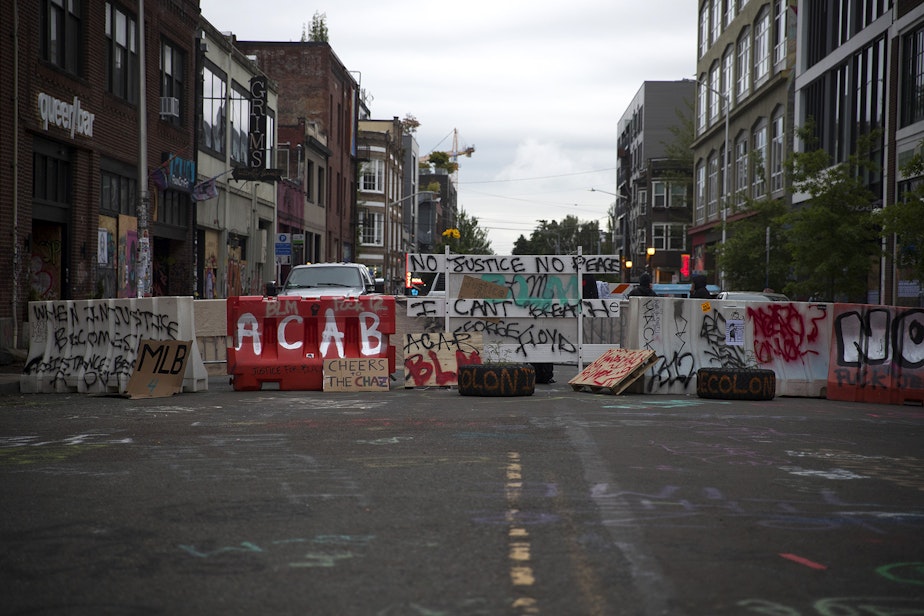

The trial in a lawsuit filed against the city of Seattle over the fatal shooting of a 16-year-old boy at the Capitol Hill Occupied Protest in 2020 has been pushed out at least a month.
In the five years since Antonio Mays Jr. was killed at CHOP, no charges have been brought in the death that ended the three-week protest after police abandoned their East Precinct. Seattle police say they are still working the case, which they describe as open and active, but have declined to share more information.
Mays’ father said he sued the city in 2023 to seek answers about his son’s death after he stopped receiving updates from police. Barring new developments from police, a trial in open court may be the only opportunity to learn more about how Mays died. The trial had been scheduled to start Nov. 3. Mays was reportedly killed by members of volunteer CHOP security who believed he was a threat, witnesses told The Seattle Times.

At issue in the case is whether the city was negligent in the way it responded to Mays’ shooting in the early morning hours of June 29, 2020, when protesters loaded the teen into a private vehicle to try to get him to medical care. That car tried to flag down an ambulance that drove away. Eventually, the car with Mays met up with city medics in a parking lot outside the CHOP zone.
The city says in court filings that Mays was already injured past the point of saving even if city medics had gotten to him sooner. City attorneys are also invoking a defense known as the “felony bar” statute to argue that the city is not liable for Mays’ death because, they say, Mays was committing a felony at the time he was shot.
Sponsored
RELATED: New Seattle CHOP videos contradict city’s narrative in unsolved killing
However, a trove of new videos and records filed in the case has complicated the city’s — and some protesters’ — narratives about how Mays died. A video analysis commissioned by the city found that the same vehicle that took Mays to medical care had been carrying people shooting at the car Mays was in just minutes earlier. No video evidence has emerged showing Mays firing a gun, as the city has alleged.
Motions in the case have been flying back and forth for weeks as lawyers for the two sides — the city of Seattle and the slain teen’s father, Antonio Mays Sr. — have argued which pieces of evidence and witness testimony should be allowed to be considered.
But the biggest decision yet to be made by King County Superior Court Judge Sean O’Donnell is whether to grant the city the remainder of its motion for summary judgment, which says the lawsuit should be dismissed. O’Donnell already ruled in favor of several of the city’s arguments in early October, leaving a much narrower path for Mays Sr. and his attorney to make their case.
Seattle Times staff reporter David Gutman and KUOW reporter/producer Will James contributed to this story.
Sponsored
This story was published in collaboration with The Seattle Times.


