Eilís O'Neill
Reporter
About
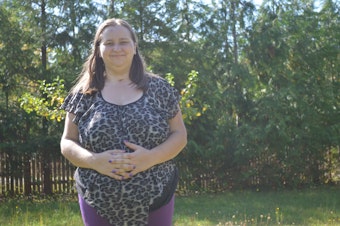
Eilís is a reporter covering health. She focuses on health inequities, substance use and addiction, infectious diseases, mental health, and reproductive and maternal health.
Eilís came to KUOW in 2016. Before that, she worked as a freelance reporter, first in South America, and then in New York City. Her work has aired on NPR’s Morning Edition and All Things Considered, APM’s Marketplace, Reveal from the Center for Investigative Reporting, and other programs.
Eilís' work as part of a team covering Covid-19 outbreaks and vaccine hesitation in Washington won a regional Murrow award, as did a series about children who lost parents to Covid-19. Her series about the opioid crisis on the Olympic Peninsula won several regional Society for Professional Journalists awards as well as a national Public Media Journalists Association award.
Eilís grew up in Seattle and was a high school intern at KUOW, in the program that later became RadioActive. She has a Master's in Science, Health, and Environment Reporting from Columbia University. She lives in Seattle with her husband and two children.
Location: Seattle
Languages: English, Spanish
Pronouns: she/her
Stories
-

Parents fret about desk distances. Expert says ventilation does more to keep kids safe
The Seattle school district only requires that students be three feet apart; that’s in line with the CDC’s latest guidelines. But, with the very contagious Delta variant causing a surge in Covid cases, a lot of parents worry that’s not nearly far enough.
-
This pregnant mom nearly died from Covid. It hasn’t convinced her to get the vaccine
The Covid vaccines are safe and effective during pregnancy. And yet, two out of three pregnant people are unvaccinated.
-

"The pack is back," and UW students are thrilled. Professors, maybe less so
After a year and a half of online classes, UW students are thrilled to be back in person. But not everyone on campus is as excited. Some faculty members say the school isn’t doing enough to prevent the spread of Covid as students and professors return to classrooms and dining halls.
-
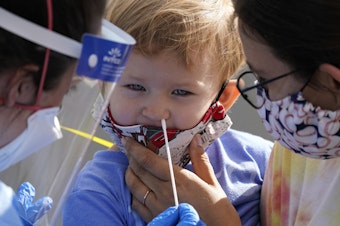
Many Seattle-area kids with Covid are old enough to be vaccinated
About half of the Covid patients at Seattle Children’s during this latest surge have been kids who could have been vaccinated, but weren’t.
-
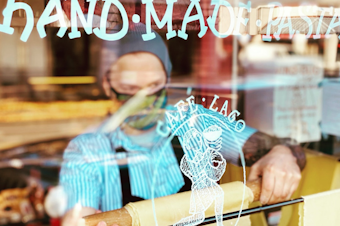
Why this Seattle business owner is 'ecstatic' about King County's new vaccine rule
If you've been to a bar or restaurant or you've seen a live show indoors recently, you may have been asked to prove you're vaccinated against Covid-19. In October, count on it.
-

Breakthrough cases have you headed for the bunker? Experts say vaccines are working
Breakthrough cases — vaccinated people testing positive for the coronavirus — have people wondering if the vaccines work as well as they were supposed to, or if their immunity is waning. The short answer is, yes, they are doing their job. Just 0.5% percent (that’s one out of every 200) of Washington state’s fully vaccinated residents have tested positive for the coronavirus.
-

EPA to ban neurotoxic pesticide sprayed on NW apples and Christmas trees
The Environmental Protection Agency is partially banning a pesticide that’s been linked to neurological damage in children and fetuses. For decades, chlorpyrifos has been widely sprayed on apples, pears, Christmas trees and other crops in the Pacific Northwest.
-

Hazy skies and heat blanket the Pacific Northwest
As smoke from wildfires in British Columbia and Central Washington blanketed the Puget Sound region on Friday, workers at a construction site in Seattle's the University District tried their best to stay cool.
-
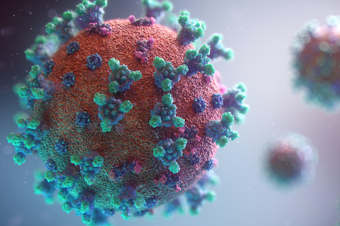
As vaccination rates stagger and delta looms, Washington's road out of the pandemic remains uncertain
‘We're seeing many more new cases every day now than we were during last summer's peak.’
-

What we know about breakthrough Covid in Washington state – and what we don’t
How common are breakthrough cases in Washington state? Not common at all. From January 17 till July 24, only about 0.1% of fully vaccinated Washingtonians tested positive for Covid.